Field notes / Ideas into impact
Brain-Computer Interfaces in 2025: Restoring Speech, Implant Durability, and the Rise of Wearables
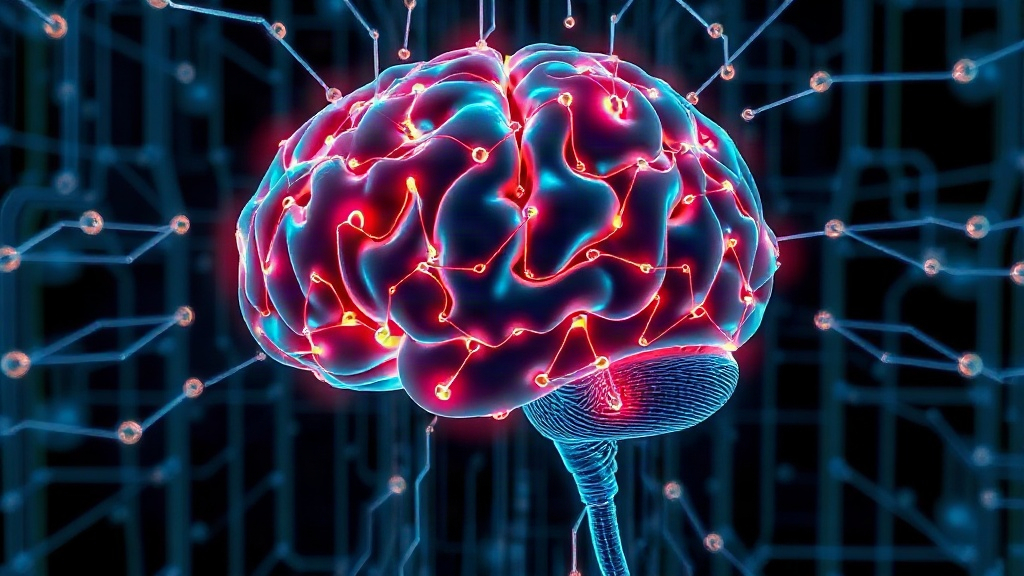
Brain-computer interfaces have spent decades in the lab, but the conversation is shifting from "can it work?" to "how long will it last, and who can use it?" Three recent reports capture that shift: one on wearable devices going mainstream, one on restoring speech to paralyzed patients, and a Nature paper on how implanted electrode arrays perform over a 20-year period.
Restoring Speech Is the Headline Use Case
The most emotionally powerful application of brain-computer interfaces is still communication. Recent coverage in The Scientist highlights how these systems are helping people with paralysis speak again. The basic principle is to record neural activity linked to attempted speech, then use decoding software to translate those signals into text or synthesized voice.
What makes this progress notable is the move away from slow, letter-by-letter selection. Earlier systems relied on a user moving a cursor or picking characters one at a time. Newer approaches aim to decode the intended words or sounds directly, which brings communication much closer to natural conversation. For people with conditions such as brainstem stroke or advanced ALS, that difference can affect independence, relationships, and mental health.
The Durability Question
Impressive demos matter, but a medical device is only useful if it keeps working. That is why the Nature paper on intracortical microelectrode arrays across a 20-year period is so relevant. Implanted arrays sit directly in brain tissue, and the body does not always welcome them. Scar tissue, shifting signal quality, and hardware wear are long-standing concerns, and every clinician and patient considering an implant asks the same thing: how long will it keep delivering useful signals?
Long-term performance data helps answer that. It informs surgical decisions, guides electrode design, and shapes regulatory expectations. It also helps developers separate hardware limitations from decoding limitations. Better algorithms can compensate for some signal drift, but they cannot create information a degraded electrode no longer records. Evidence collected over many years of real-world use is exactly what the field needs to move from experimental programs toward reliable clinical care.
Will Wearables Go Mainstream?
Not everyone needs, or wants, brain surgery. The Conversation recently asked how long it will be before wearable brain-computer interfaces become mainstream, and the question is fair. Non-invasive devices, such as EEG headbands, earbuds with sensors, and caps, avoid surgical risk and are far easier to distribute. The tradeoff is signal quality. The skull and scalp blur electrical activity, so wearables generally capture coarser information than implants.
That limitation does not make them irrelevant. Wearables are well suited to tasks that need less precision, such as:
- Monitoring attention, fatigue, or sleep stages - Supporting neurofeedback and meditation tools - Offering basic hands-free control in accessibility settings - Gathering research data outside the lab
Consumer adoption will probably depend less on raw technical capability than on practical factors: comfort, battery life, price, and a clear everyday benefit. A headset that is awkward to wear or only works under ideal conditions will struggle, no matter how clever the science behind it.
Privacy and Ethics Cannot Be an Afterthought
As devices become more capable and more widely available, neural data raises questions that other technologies have not faced. Brain signals can reveal health conditions, emotional states, and attention patterns. Consumers will want to know who owns that data, how it is stored, and whether it can be sold or used for targeting. Clear consent rules, strong security, and transparent policies are essential to building trust, particularly if wearable products reach a mass audience.
Equitable access is another concern. If implants that restore speech or movement remain available only at a few specialized centers, the benefits will reach very few people. Reimbursement frameworks, clinician training, and simpler surgical and maintenance procedures will all shape who gets to use these tools.
What to Watch Next
The field is advancing on parallel tracks. Implanted systems are proving they can give voice back to people who lost it, while long-term studies show what durability looks like in practice. Meanwhile, wearable devices are exploring how far non-invasive sensing can go in everyday life. The most important developments ahead are likely to be longer-lasting electrodes, more accurate and adaptive decoding, and responsible rules for neural data. Together they will determine whether brain-computer interfaces remain a specialist medical technology or become part of ordinary life.