Field notes / Ideas into impact
Brain-Computer Interfaces: Neural Data Ownership, Security, and Patient Rights in Clinical Trials
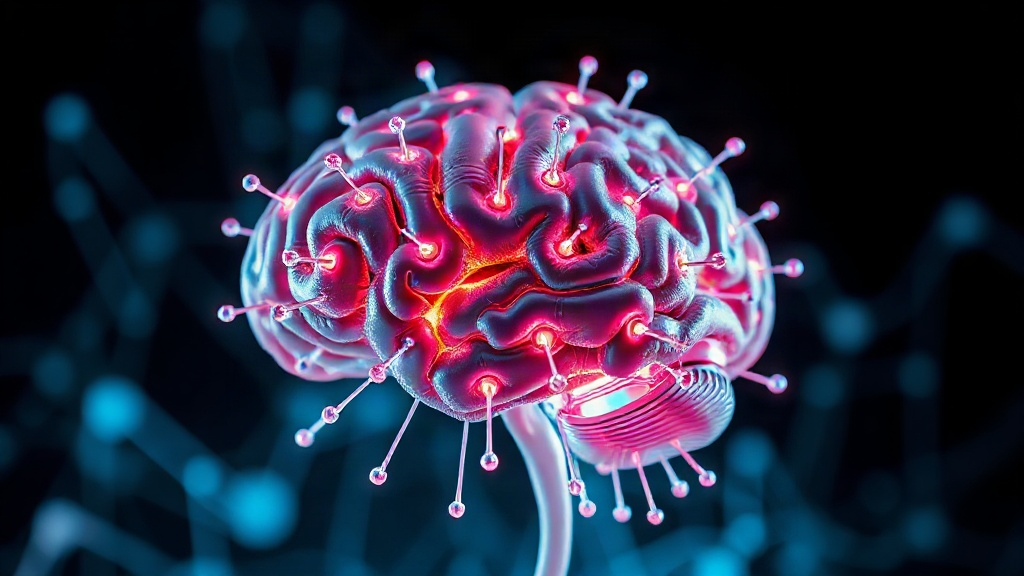
Brain-computer interfaces have spent decades in the realm of science fiction and specialist labs. Today, they are edging into clinics, courtrooms, and cybersecurity briefings. The most interesting stories right now are less about what the hardware can do and more about the human and legal questions that surround it: who owns neural data, how it can be protected, and what happens to participants when a trial ends.
The Waiting Room Problem
Implantable neural interfaces are moving through clinical trials aimed at restoring communication and movement for people with paralysis, ALS, and brain stem stroke. For candidates waiting to join one of these studies, recent reporting describes a mix of hope and deep uncertainty.
The hope is easy to understand. Early participants have used implanted devices to control cursors, type through attempted handwriting, and generate synthetic speech from neural activity. For someone who has lost the ability to speak or move, those results are life-changing.
The uncertainty is just as real. Trials have strict eligibility criteria, limited slots, and unclear timelines. Candidates often wonder whether a device will be approved, how long it will last, and who will maintain it if a company pivots or a study closes. These questions matter because an implant is not a smartphone you can swap out. It becomes part of a person's body and daily life.
Who Owns the Data From Your Own Brain?
A second thread in the current conversation involves data. A widely discussed New York Times piece asks whether a man has a right to the data recorded from his own brain. The question sounds almost absurd at first. Surely your neural activity belongs to you. In practice, the answer is far murkier.
Data generated by a research implant often flows to the device maker or the sponsoring institution. Participants may have signed consent forms that grant broad rights to the company, while offering limited access to their own raw recordings. That creates an odd situation: a person can depend on a device for communication, yet have no clear claim to the signals that make it work.
Several issues sit at the center of this debate:
- Access: Can participants obtain their own raw and processed neural data? - Portability: If a person switches devices or providers, can the data and decoding models go with them? - Secondary use: Can companies use neural recordings for product development, or share them with partners? - Continuity: What happens to the data, and to the participant's access, if a company folds?
Lawmakers in several regions have begun exploring "neurorights" and updates to privacy rules that treat neural information as a special category. The momentum is growing, but standards remain patchy.
Securing the Signal
Privacy is only half of the equation. Security is the other half. New research on cognitive cryptography frameworks is aimed at protecting brain-computer interfaces against neural signal hijacking, where an attacker could intercept, spoof, or manipulate the data traveling between brain and device.
The concern is not purely hypothetical. Any interface that sends signals wirelessly or relies on cloud processing creates an attack surface. A compromised system could leak sensitive information, produce false commands, or interfere with a person's ability to control an assistive device. Encryption schemes designed specifically for the characteristics of neural signals, such as their noise, variability, and low bandwidth, are an encouraging step toward making these systems trustworthy.
Security cannot be an afterthought bolted on after approval. It has to be designed into the device, the software, and the update process from the start.
What Responsible Progress Looks Like
Taken together, these stories point to a maturing field. The technical milestones still grab headlines, but the next phase will be defined by trust. That means:
1. Transparent consent that explains data rights in plain language. 2. Long-term support commitments so participants are not left with orphaned implants. 3. Built-in cybersecurity validated by independent researchers. 4. Clear regulation that treats neural data with the sensitivity it deserves.
For patients, these safeguards are not abstract policy goals. They determine whether a promising technology feels like empowerment or exposure.
Brain-computer interfaces may ultimately be judged not only by how well they decode intention, but by how well the people building them respect the individuals who lend their minds to the work. The science is advancing quickly. The ethics, law, and security around it need to keep pace.