Field notes / Ideas into impact
Consumer Electronics Trends: Pre-Owned Devices, Smarter Accessories, and AI That Helps Gadgets Last Longer
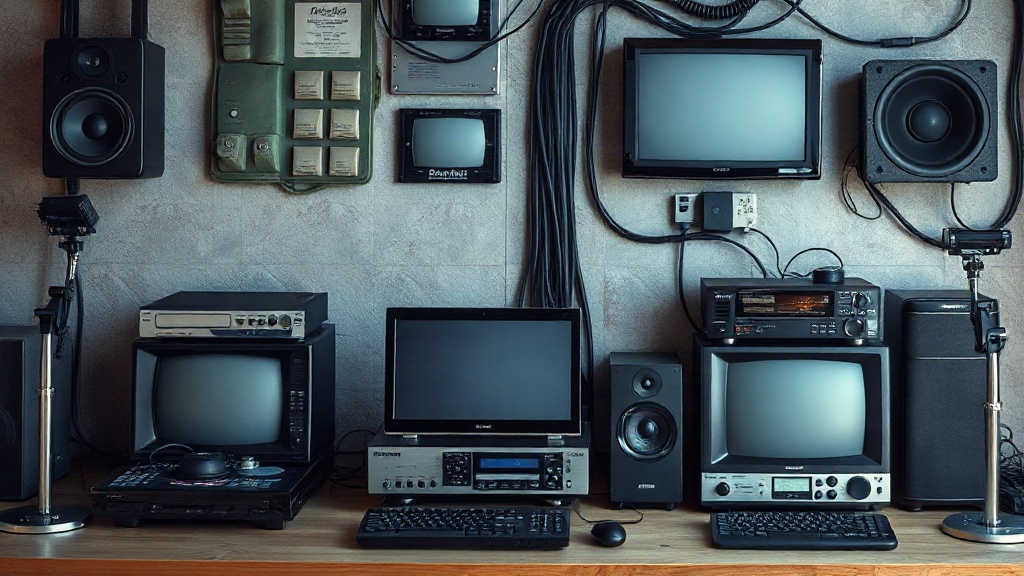
Consumer electronics is shifting from a race for the newest gadget to a smarter, more sustainable relationship with the devices we already own. Three recent stories show where the industry is heading: a booming market for pre-owned devices, protective accessories that now earn innovation awards, and AI systems designed to keep hardware running longer and more securely.
The Pre-Owned Market Keeps Gaining Momentum
China's ATRenew, one of the largest players in second-hand electronics recycling and resale, recently reported higher third-quarter revenue. The driver was stronger sales of pre-owned consumer electronics. That matters well beyond a single company's earnings.
Smartphones, tablets, laptops and wearables are more expensive than ever, and upgrade cycles have lengthened. Many shoppers are no longer asking "what's the newest model?" and instead ask "what's the best value for the performance I need?" Certified refurbished and pre-owned devices answer that question. They offer flagship-level hardware at a lower price, often with warranties and quality inspections that ease the worry of buying used.
There's an environmental upside too. Extending the life of a device reduces electronic waste and lowers demand for the energy- and resource-intensive process of manufacturing new products. For brands, trade-in programs have become a strategic way to keep customers inside their ecosystems while building a circular economy.
Protection Accessories Get an Innovation Upgrade
If devices are being kept longer, protecting them matters more. That helps explain why Belkin was named a CES Innovation Awards honoree for its Titan SmartShield Pro Bright Privacy Screen Protector. The honor is notable because it shows that accessories are being recognized as technology in their own right, rather than as afterthoughts.
Privacy screen protectors have long carried a trade-off. Narrowing the viewing angle to block prying eyes often dims the display and dulls color. A "bright" privacy design aims to remove that compromise, keeping the screen vivid for the user while still limiting side-angle visibility. For commuters, remote workers and anyone handling sensitive information in public spaces, that balance is increasingly valuable.
Durability and screen protection also tie directly back to resale value. A phone kept free of scratches and cracks commands a better trade-in price, so accessories now support both daily use and long-term ownership economics.
AI Moves Into Maintenance and Security
The third trend sits behind the scenes. Recent research published in Nature explores AI-driven systems that enhance consumer electronics through maintenance personalization and security. The idea is that devices can learn how each person uses them and adapt accordingly, flagging battery health issues, predicting component wear, and recommending service before a failure occurs.
This kind of predictive maintenance has long been standard in industrial settings. Bringing it into everyday devices could change how people experience ownership. Instead of reacting to a sluggish phone or a dying battery, users could receive tailored guidance that keeps performance steady and extends lifespan.
Security is the other half of the equation. As homes fill with connected speakers, cameras, TVs and appliances, each device becomes a potential entry point for attackers. Systems that monitor behavior patterns and detect anomalies can help catch threats earlier than static, one-size-fits-all protections. Of course, personalization depends on data, so strong privacy safeguards and transparent data practices will be essential to earning consumer trust.
What This Means for Shoppers
Taken together, these developments point to a more thoughtful consumer electronics landscape. Here are a few practical takeaways:
- Consider certified pre-owned options. Reputable resellers and manufacturer-backed refurbishment programs can deliver excellent value with reduced risk. - Protect your investment. Quality screen protection, cases and privacy filters help preserve both function and resale value. - Prioritize software support. A device that receives long-term updates stays secure and usable for years. - Look for smart maintenance features. Battery health tools and diagnostic insights can meaningfully extend a product's life. - Check privacy settings. Personalized features work best when you understand what data is collected and how it's used.
The next chapter of consumer electronics may be less about constant replacement and more about longevity, resilience and intelligent care. As recycling platforms scale, accessory makers innovate and AI quietly handles upkeep, the devices in our pockets and homes are being built to last, and to hold their value while they do.