Field notes / Ideas into impact
Digital Twins and XR: How Immersive Technology Is Transforming Heritage Site Protection
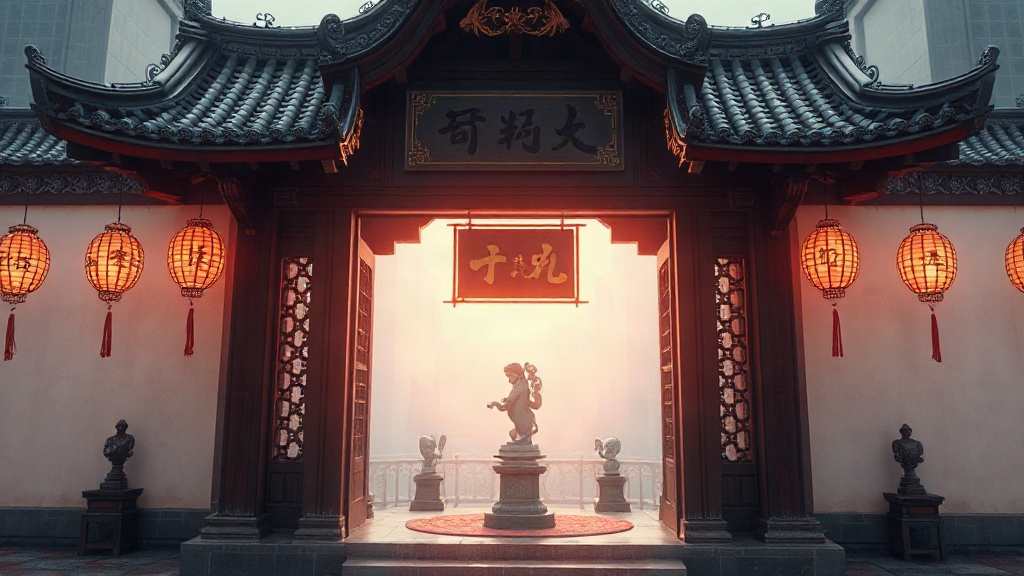
Cultural technology has moved well beyond digitized museum catalogs and virtual gallery tours. Today it covers a broad set of tools, from extended reality and digital twins to generative AI and high-resolution scanning, all aimed at helping people preserve, interpret, and experience culture. Among the most promising developments is the use of digital twins to protect heritage sites from risk.
Digital Twins Are Changing Heritage Protection
A digital twin is a detailed virtual replica of a physical object, building, or site that can be updated with real-world data. In cultural heritage, these models are built from laser scanning, photogrammetry, drone imagery, and environmental sensors. The result is a living record that shows what a monument looks like now and how it is changing.
Recent research published in Nature examined how extended reality (XR), the umbrella term for virtual, augmented, and mixed reality, can be layered onto digital twins for heritage risk management. The study compared XR formats through the lens of situation awareness: how well a person perceives what is happening, understands what it means, and anticipates what comes next.
That framing matters. Risk management for a historic site is about more than storing data. Conservators, site managers, and emergency teams need to grasp quickly where a structure is vulnerable to flooding, fire, structural stress, or crowd pressure, and then act on it. An immersive interface can make that information far more intuitive than spreadsheets or flat dashboards.
Why Immersive Interfaces Matter
Traditional monitoring often leaves decision-makers piecing together information from separate systems. XR-enabled twins can bring that information into one spatial view. A conservator wearing a headset might see moisture readings overlaid on the stonework they are inspecting, while a planner in another location explores the same model to simulate evacuation routes.
Several practical benefits stand out:
- Faster interpretation: Spatial visualization helps teams spot patterns that are easy to miss in raw numbers. - Better collaboration: Experts in different places can work in the same virtual environment. - Safer fieldwork: Hazardous or fragile areas can be assessed remotely. - Scenario testing: Teams can model the effects of climate events or structural failure before they happen.
Climate pressure makes these capabilities especially valuable. Rising seas, extreme heat, wildfires, and heavier rainfall threaten heritage sites worldwide, and conflict and overtourism add further strain. Digital records also serve as insurance against loss, giving restorers a precise reference if damage does occur.
Culture Inside the Technology Industry
Cultural technology is also shaped by the organizations that build it. Recent headlines about internal culture at leading AI companies, including debates over security practices and employee concerns, are a reminder that the values behind a tool influence how it behaves in the world. This matters for the cultural sector, which increasingly relies on AI for transcription, translation, archive search, and image restoration.
Museums, libraries, and heritage agencies are asking sharper questions of their technology partners. How is training data sourced? Are communities whose heritage is being digitized consulted? Who owns a 3D scan of a sacred site? Responsible adoption means treating these as core design questions rather than afterthoughts.
Challenges That Remain
Despite the momentum, obstacles are real. High-fidelity capture and XR hardware can be costly, which risks widening the gap between well-funded institutions and smaller community organizations. Long-term preservation of digital files is another concern, since formats and platforms change quickly. Ethical issues around access and cultural sensitivity also need clear policies, particularly for Indigenous and living heritage.
Usability is one more hurdle. A technically impressive twin is only useful if staff can operate it under pressure, which is why evaluations focused on situation awareness are so important. They shift the question from "what can the technology do?" to "does it help people make better decisions?"
What Comes Next
Expect closer integration between live sensor networks, AI analysis, and immersive visualization. As tools become more affordable and open standards mature, even modest heritage organizations may be able to maintain useful digital twins. The strongest projects will pair technical ambition with community involvement, transparent governance, and a clear purpose: keeping cultural memory intact and accessible for the generations ahead.