Field notes / Ideas into impact
How Cultural Technology Is Transforming Heritage: VR Museums, 3D Scanning, and Community-Led Digital Preservation
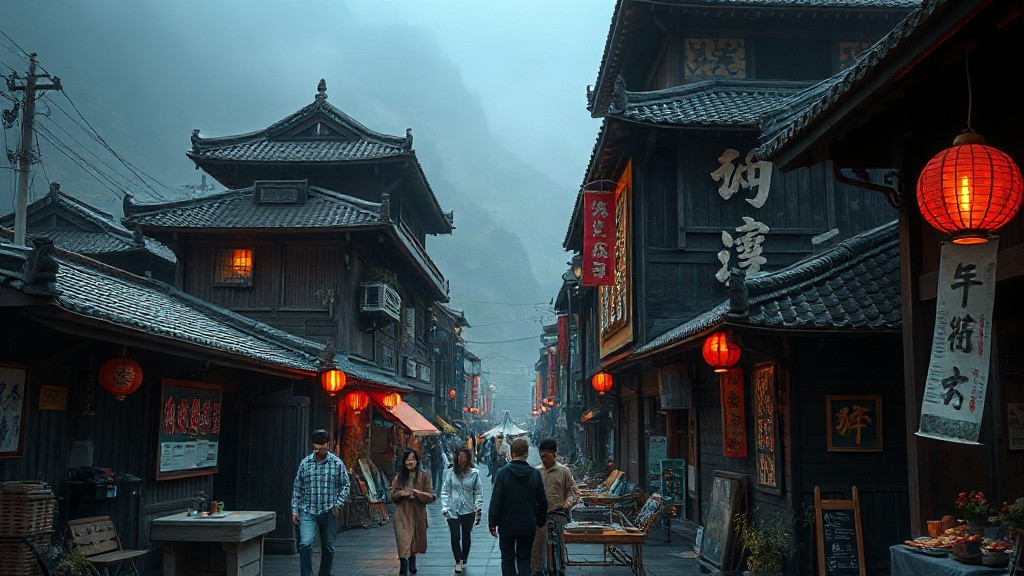
Museums, archives, and heritage sites once relied on glass cases and guided tours to connect people with the past. Today, cultural technology is rewriting that relationship. Virtual reality, 3D scanning, interactive storytelling, and community-driven digital platforms are making heritage more immersive, more accessible, and more personal than ever before.
From Passive Viewing to Active Participation
For decades, a museum visit followed a simple formula: look, read the label, move on. Digital tools are changing that script. Recent research on virtual heritage museums, including a study published in Nature, points toward what it calls a human-centric participation paradigm. The idea is that enjoyment doesn't come from technology alone. It comes from how easily and comfortably visitors can take part in the experience.
Two factors stand out in this line of research: system usability and immersive VR design. A virtual gallery can be visually stunning, but if navigation feels clumsy or controls are confusing, visitors disengage quickly. When the interface fades into the background, people spend their attention on the artifacts and stories themselves. That is where enjoyment, learning, and emotional connection take root.
What Makes a Virtual Museum Work
Cultural institutions investing in digital experiences can learn a lot from these findings. The most successful projects tend to share a few traits:
- Intuitive navigation. Clear menus, simple controls, and minimal learning curves keep visitors focused on content rather than mechanics. - Meaningful interactivity. Letting users rotate an object, explore a reconstructed site, or choose their own path creates a sense of agency. - Presence and immersion. Spatial audio, realistic lighting, and detailed 3D models help visitors feel they are truly inside a space. - Layered storytelling. Short introductions for casual explorers, with deeper context for those who want it, serve a wider audience.
The takeaway is straightforward: usability is not a technical afterthought. It is a core part of the cultural experience.
Bringing Heritage Technology to Rural Communities
Cultural technology isn't only for major capitals and well-funded institutions. Recent coverage from MIT News on digital innovation and cultural heritage in rural towns highlights a quieter but equally important trend: smaller communities using digital tools to preserve and share their own histories.
Rural towns often hold rich traditions, local crafts, oral histories, and historic buildings, yet they rarely have the budget for large museums or full-time curators. Affordable digital tools are changing the equation. Smartphone-based 3D capture, community mapping platforms, digital archives, and augmented reality walking tours allow residents to document what matters to them and present it to visitors worldwide.
This approach also shifts who controls the narrative. Instead of heritage being interpreted solely by outside experts, local people become co-creators, recording stories in their own voices and deciding what deserves preservation. That participation strengthens community identity while opening new paths for cultural tourism and local economic development.
Challenges Worth Addressing
Progress comes with real questions. Digital preservation requires long-term planning, since file formats and platforms age quickly. Access remains uneven, particularly where broadband is limited or VR hardware is out of reach. Ethical considerations matter too, especially when digitizing sacred objects, Indigenous knowledge, or sensitive community stories. Consent, ownership, and respectful representation need to be built into projects from the start rather than added later.
There is also the risk of chasing novelty. A flashy headset experience means little if it doesn't serve a clear educational or emotional purpose. The strongest projects begin with a story worth telling and choose technology to support it, not the other way around.
The Road Ahead
The future of cultural technology looks less like a replacement for physical heritage and more like an extension of it. Hybrid models are gaining ground, where on-site visits are enriched by digital layers and remote audiences can explore collections without travelling. Artificial intelligence is also beginning to assist with cataloguing, translation, and restoration research, though human curators and community voices remain essential for context and meaning.
What connects the latest research and community-led initiatives is a shared principle: technology works best when it puts people first. Whether it is a polished virtual museum or a small-town storytelling project, the goal is the same, helping more people feel connected to the cultures and histories that shape them.